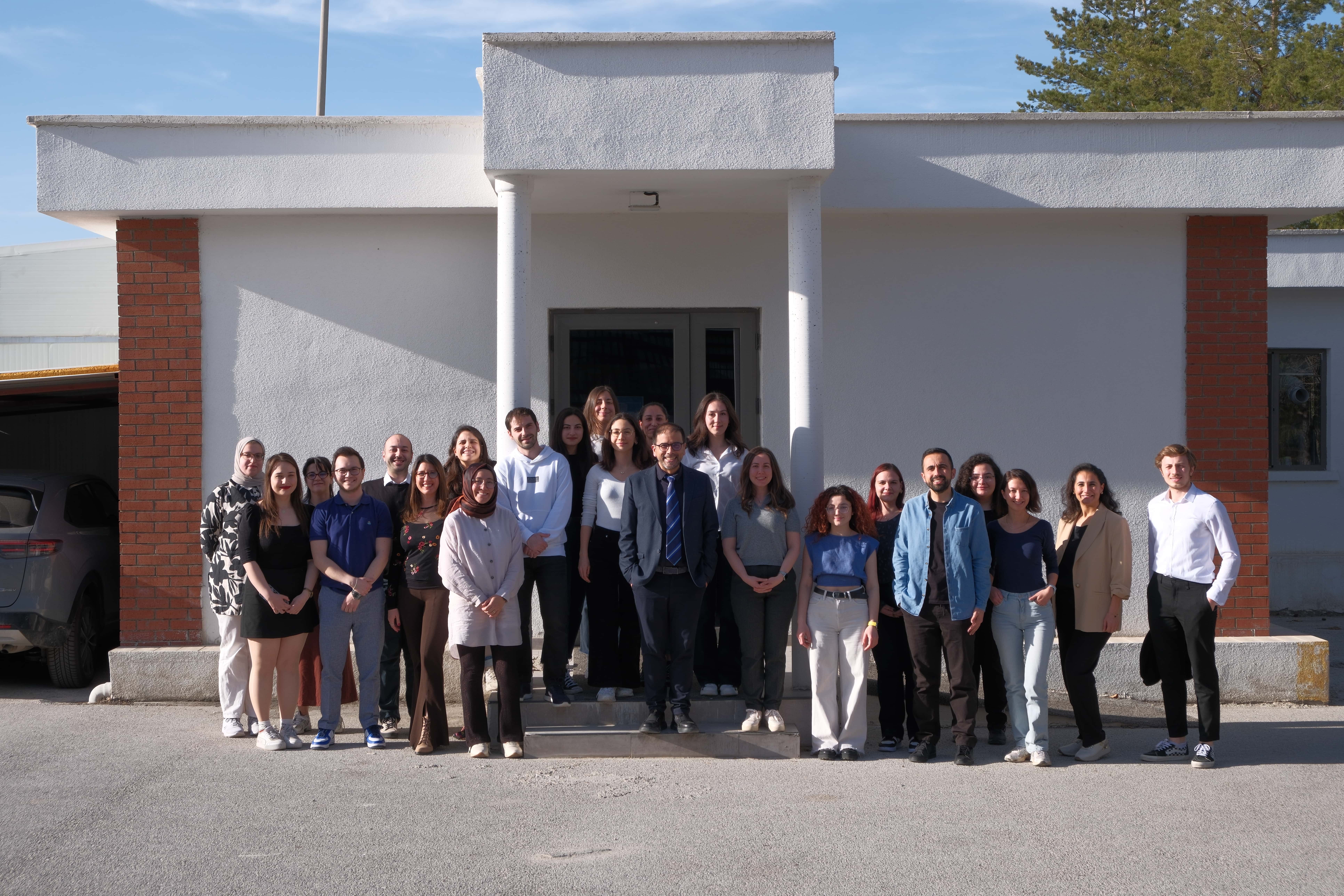
The Food Technologies Laboratory is a research group within the Department of Food Engineering at Middle East Technical University (METU) in Ankara, Türkiye. Led by Prof. Dr. Mecit Halil Öztop, the laboratory conducts research on food structure, processing technologies, material characterization, and food quality.
Its research covers the molecular analysis of food components, the development of functional ingredients and alternative protein products, and sustainable food processing technologies. The laboratory works with academic institutions, research organizations, and industry partners through national and international research projects.
Research Background and Early Developments
The laboratory's research background includes food processing, material characterization, and non-destructive analytical techniques. Prof. Dr. Mecit Halil Öztop's scientific work in these fields dates back to 2005, with early publications addressing microwave-assisted drying and frying technologies.
Following the laboratory's establishment, research activities developed around Magnetic Resonance Imaging (MRI), Nuclear Magnetic Resonance (NMR) relaxometry, and rheological analysis. Projects launched in 2018 investigated advanced NMR techniques for food quality control and the modification of plant proteins to improve their functional properties.
These studies contributed to two continuing research directions: understanding food materials at the molecular and structural levels and improving their properties for food applications.
Expansion of Research Activities
From 2020 onwards, the laboratory expanded its research into food processing, ingredient development, and sustainable materials.
Nationally funded projects investigated microwave vacuum processing, rare sugars, protein interactions, and the extraction and modification of plant proteins. Research activities extended to aquafaba-based emulsifiers, functional food products, polysaccharide aerogels, and the valorization of agricultural by-products.
During this period, the laboratory continued developing its expertise in magnetic resonance techniques, applying these methods to food digestion, dairy quality, sugar authenticity, and complex food systems.
International Research and Collaboration
The laboratory's international research activities expanded in 2021 with two major projects coordinated by METU.
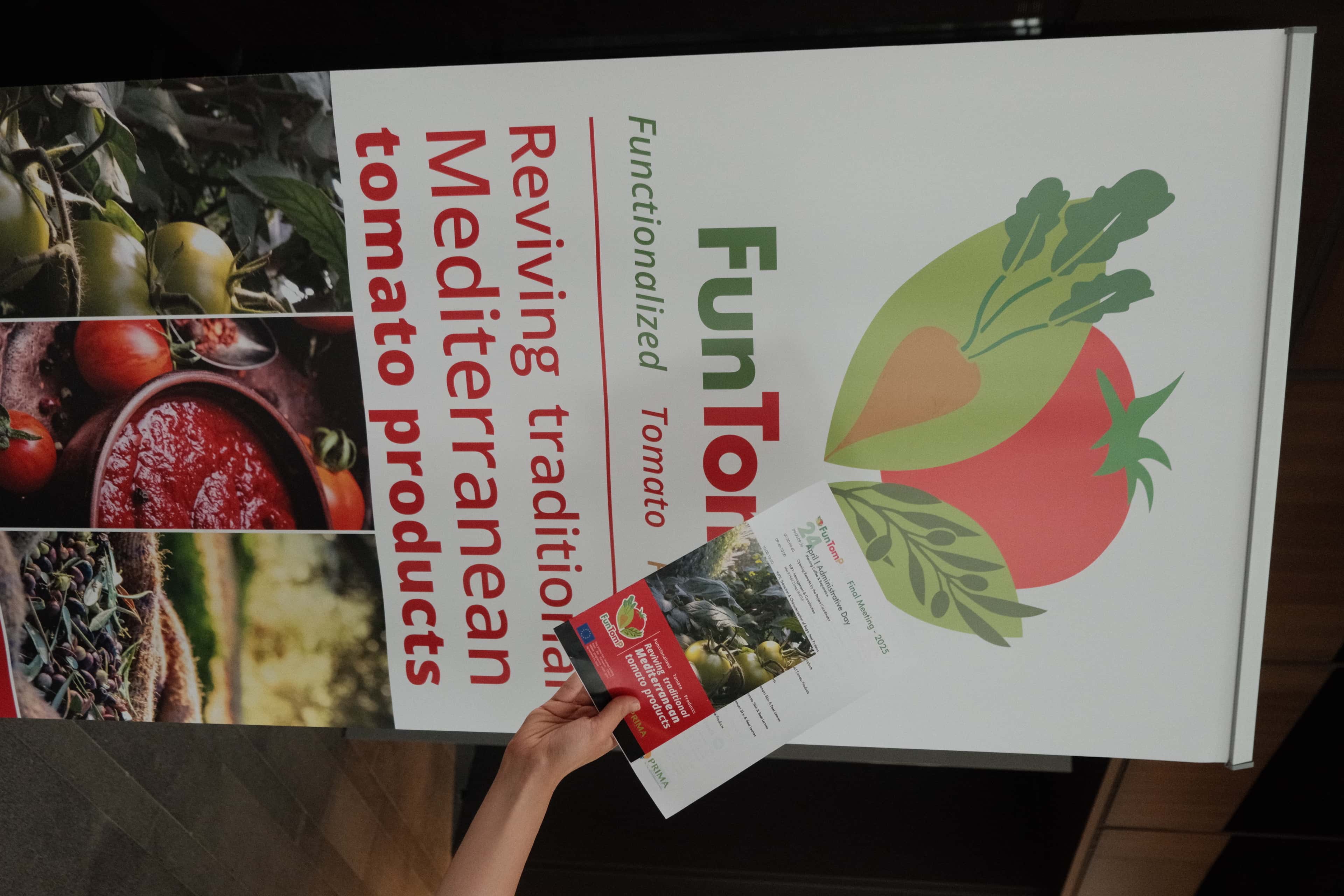
SuChAQuality, funded through Horizon 2020, focused on analytical methods for assessing the quality and authenticity of sugar and confectionery products. FunTomP, supported by PRIMA, investigated the development of functional Mediterranean tomato products using plant proteins and sustainable processing technologies.
In 2023, ProxIMed extended the laboratory's research into alternative proteins and sustainable Mediterranean food systems. A Horizon Europe project launched in 2024 further strengthened its work on NMR-based characterization and quality assessment of dairy products.
These collaborations supported international researcher exchanges, joint experimental work, and cooperation between academic and industrial partners.
Research Growth Since 2025
In 2025, the laboratory expanded its national and European research portfolio through projects addressing alternative proteins, food waste valorization, and advanced food materials.
APRISE, a Horizon Europe ERA Talents project coordinated by METU, supports research training, international secondments, and cooperation between academic and non-academic institutions in the alternative protein sector.
ENFiber, a COST Action chaired by Prof. Dr. Mecit Halil Öztop, connects researchers working on the conversion of food processing waste into sustainable fibers.
A major milestone was the 1st ENFiber International Conference, held on 4–6 May 2026 in Tartu, Estonia. The conference brought together researchers, industry representatives, and COST Action members to present scientific findings, discuss sustainable fiber valorization, and strengthen international research collaboration. Hosted by the Estonian University of Life Sciences, the event marked an important step in the development of ENFiber's international research network.
The laboratory participates in GuardAgents, a Horizon Europe Marie Skłodowska-Curie Staff Exchanges project investigating nanobody applications in the agri-food sector.
In November 2026, Fix-APro, another Horizon Europe Marie Skłodowska-Curie Staff Exchanges project coordinated by METU, began addressing technical challenges in alternative protein production, processing, and functionality.
Three additional Horizon Europe projects, all coordinated by METU and representing a combined funding of over €11 million, are set to launch in 2027. FAroGels, a Marie Skłodowska-Curie Doctoral Network, will develop biodegradable and edible food-grade aerogels through scalable and energy-efficient production methods for safe and functional use in food production, processing, and packaging. Recruitment began in 2026 for 15 doctoral candidates across 11 institutions in seven countries, including two positions at METU. REACtOE, funded under the European Excellence Initiative, will drive institutional transformation by strengthening agri-food research and innovation capacity, modernizing research management, advancing digital and open science practices, and supporting sustainable innovation through applied pilot actions. Gastro-Fib, a Marie Skłodowska-Curie Staff Exchanges project, will investigate dietary fibers derived from agro-industrial side-streams, combining green extraction technologies with the study of their physicochemical properties, gastrointestinal behavior, bioactivity, and functional performance to develop high-value, industrially applicable food ingredients.
Research Facilities and Scientific Training
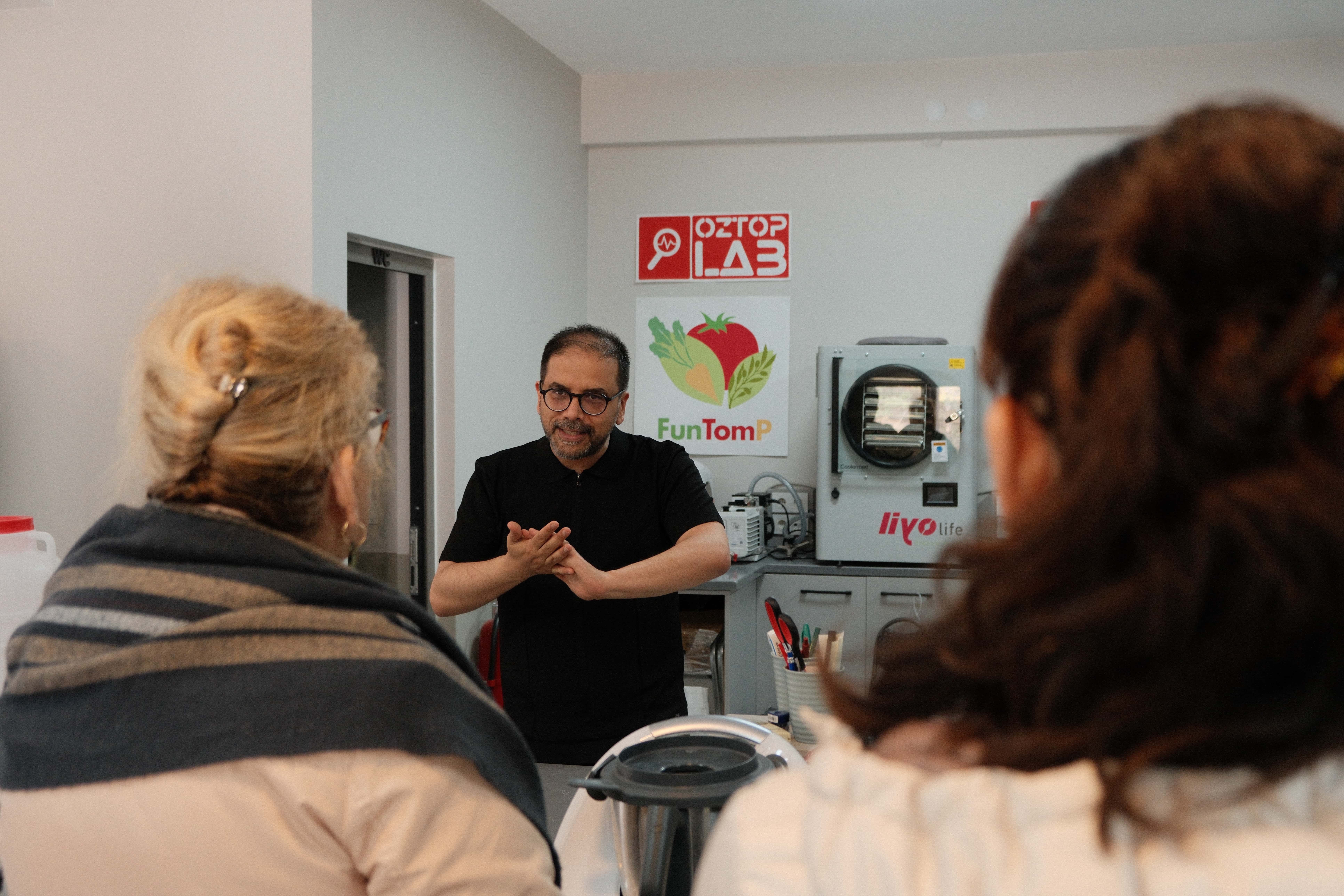
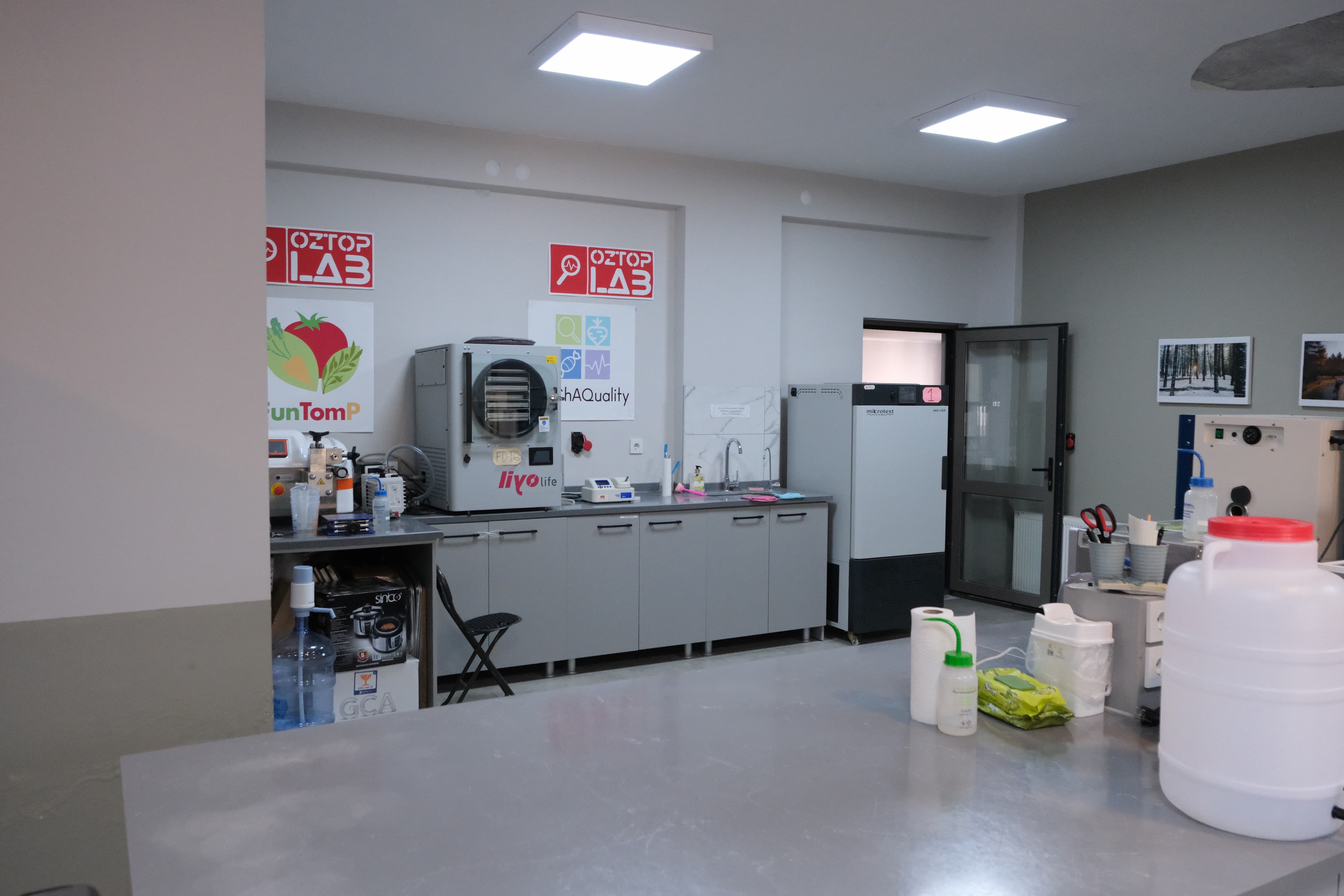
The Food Technologies Laboratory operates research facilities supporting food processing, material characterization, and analytical studies.
Its equipment includes time-domain NMR instruments, rheometers, homogenizers, freeze dryers, spray drying systems, microwave processing equipment, supercritical fluid extraction systems, and instruments for spectroscopy and physicochemical analysis.
The laboratory brings together MSc students, PhD researchers, postdoctoral researchers, and project management staff. Its activities include experimental research, scientific publications, graduate training, international research exchanges, and workshops organized through collaborative projects.
Today, the Food Technologies Laboratory continues its research at METU, focusing on food structure, analytical technologies, alternative proteins, sustainable materials, and the utilization of agricultural and food processing by-products.